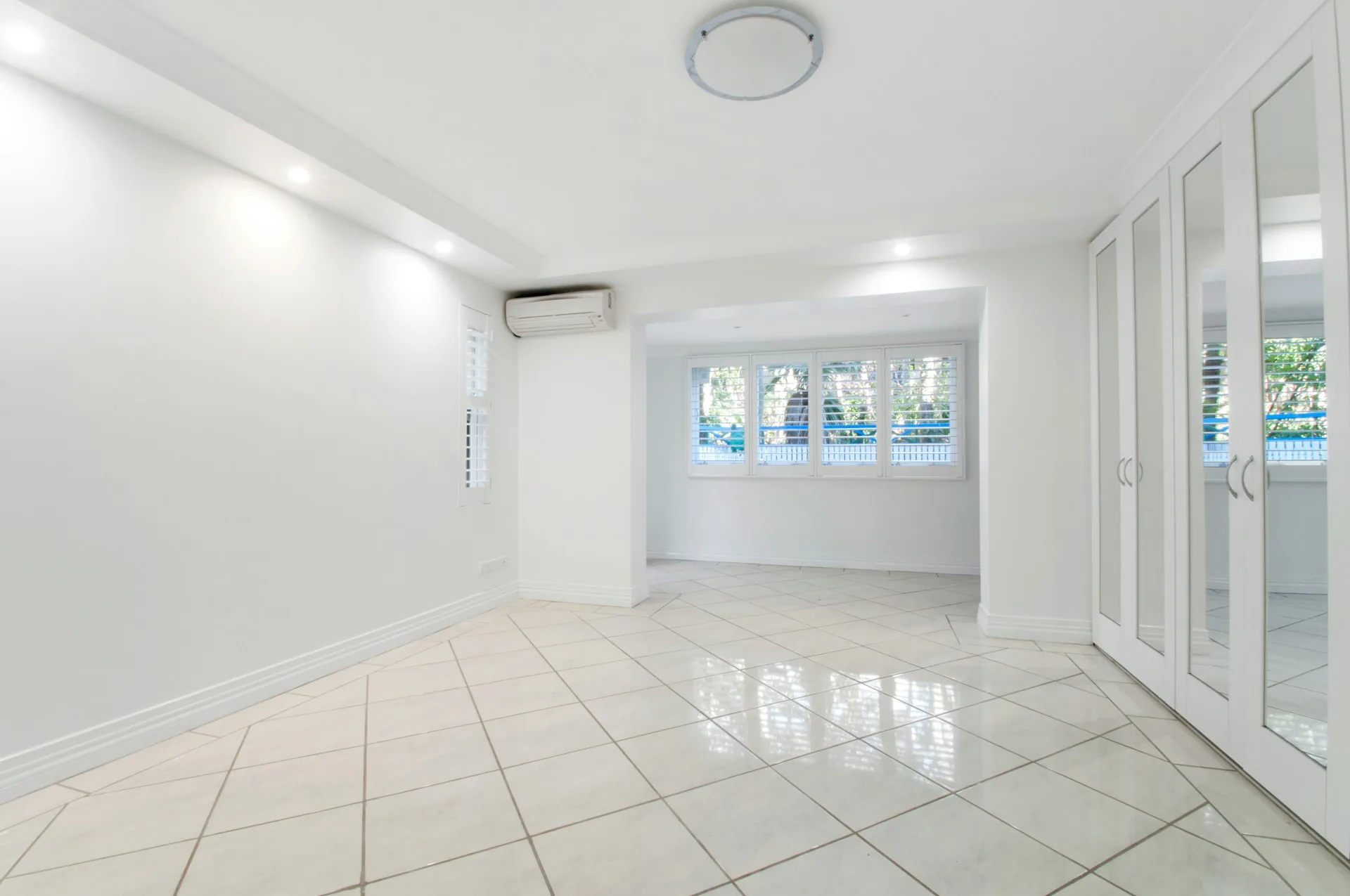
 Design inspiration · stock imagery
A grounded choice for hardworking rooms.
Porcelain and ceramic bring a wide range of formats and finishes. The right tile floor is a complete assembly, not just an attractive surface.
Choose a floor-rated product
Wall tile is not automatically suitable for floors. Review use rating, slip characteristics, surface texture and cleaning needs, especially in areas that may become wet.
Format changes the preparation
Larger tiles and certain patterns make substrate flatness and layout especially important. Discuss grout joints, movement accommodation, edge details and finished height before approving the scope.
Wet areas need more than tile
Tile and grout alone are not waterproofing. A wet-area assembly needs appropriate design and materials. Shower remodeling and moisture remediation are not part of the standard flooring scope on this site.
Care for tile and grout
Use cleaners appropriate for the tile and grout. Natural stone can require different products and sealing practices from porcelain; confirm stone suitability and service availability before including it.
A question worth asking
Can I choose a very small grout joint?
Joint size depends on the tile’s dimensional variation, edge type, pattern and applicable manufacturer guidance. It should be specified with the tile, not assumed from an inspiration photograph.
Before you approve the scope
Confirm product selection, measured quantities, procurement, removal, disposal, furniture, preparation, installation, trim and transitions. Availability, pricing and scheduling are confirmed for your project, not promised by this page.
Compare other materials →

Design inspiration · stock photography, not completed StepRightFloors work.
Let’s find your footing.
Tell us about the space, the way you live and what you’d like to change. Start with a project brief, not a commitment.