 Design inspiration · stock imagery
A considered alternative to the wood look.
Compare the feel, edge detail and product limitations—not just the printed grain. Laminate can be a useful option when the room and care routine are a match.
Check product-specific water limits
Water-resistant claims vary. Read exposure limits and edge or perimeter requirements. Laminate should not be treated as a fix for moisture beneath the floor or a universally suitable bathroom floor.
Look at wear and sound together
Compare use classification, finish, underlayment compatibility and acoustic requirements. In a condominium, ask about the association’s documentation before choosing an assembly.
Leave room for movement
Floating systems need the specified expansion space and suitable transitions. Heavy fixed cabinetry, long runs and changes between rooms can affect the installation layout.
Keep care simple and appropriate
Remove grit, use an approved lightly damp cleaning method and avoid standing water. Steam cleaning is not a safe default. Damaged boards typically need replacement rather than sanding.
A question worth asking
Is laminate a lower-cost substitute for every project?
Not necessarily. Product choice, preparation, removal, underlayment and transitions all influence installed cost. Compare complete scopes, not material prices alone.
Before you approve the scope
Confirm product selection, measured quantities, procurement, removal, disposal, furniture, preparation, installation, trim and transitions. Availability, pricing and scheduling are confirmed for your project, not promised by this page.
Compare other materials →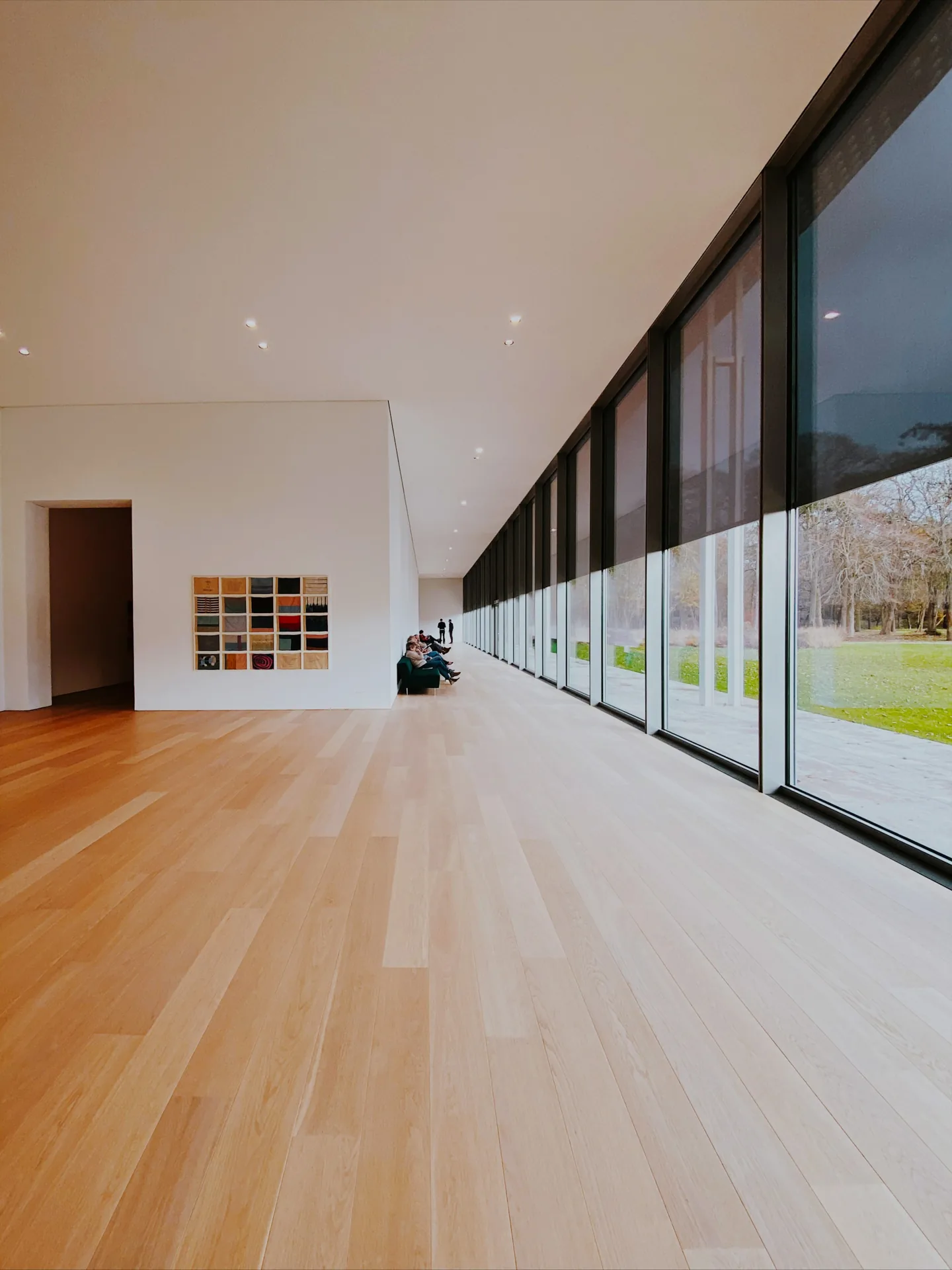

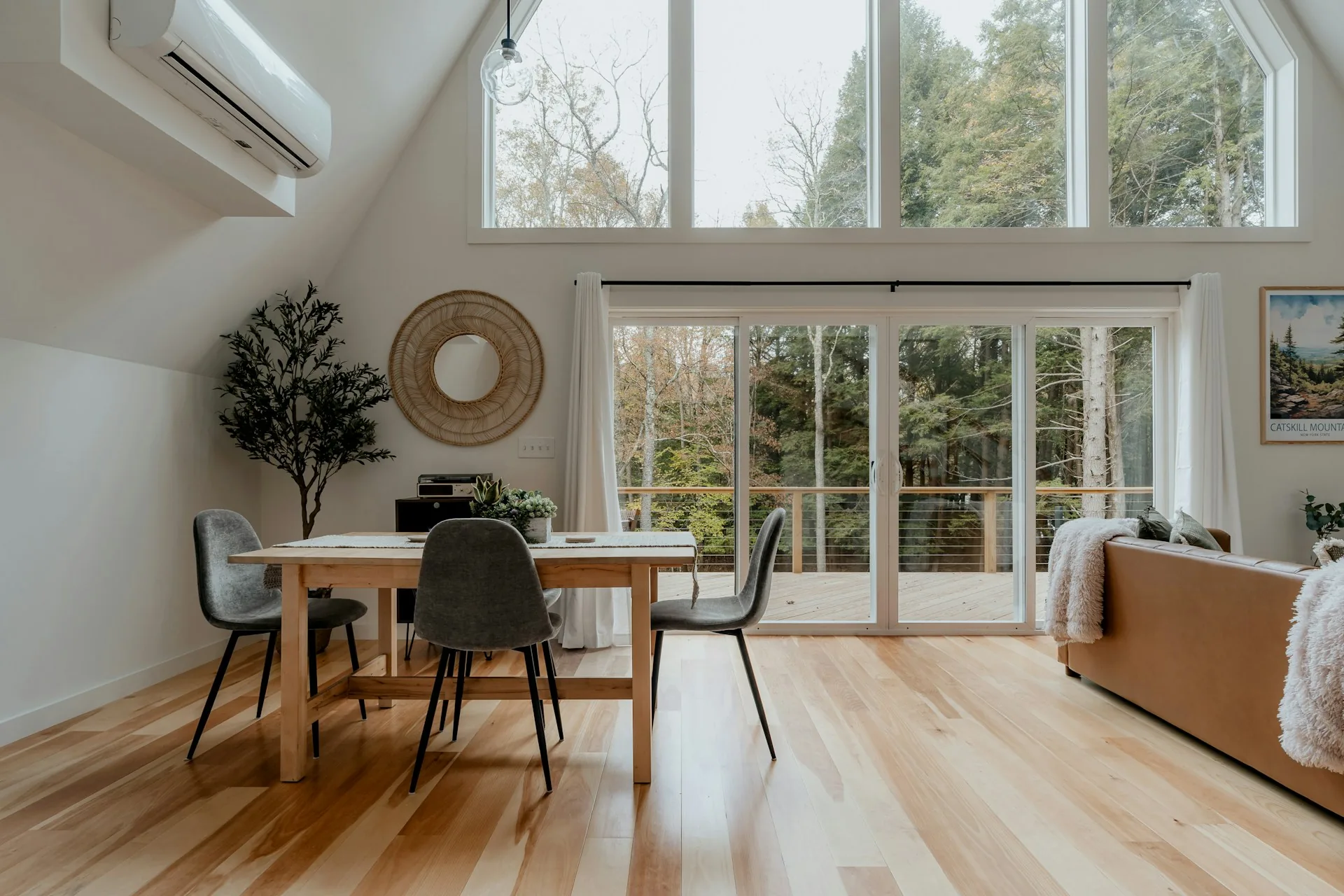
Design inspiration · stock photography, not completed StepRightFloors work.
Let’s find your footing.
Tell us about the space, the way you live and what you’d like to change. Start with a project brief, not a commitment.