 Design inspiration · stock imagery
Start with what the eye won’t see.
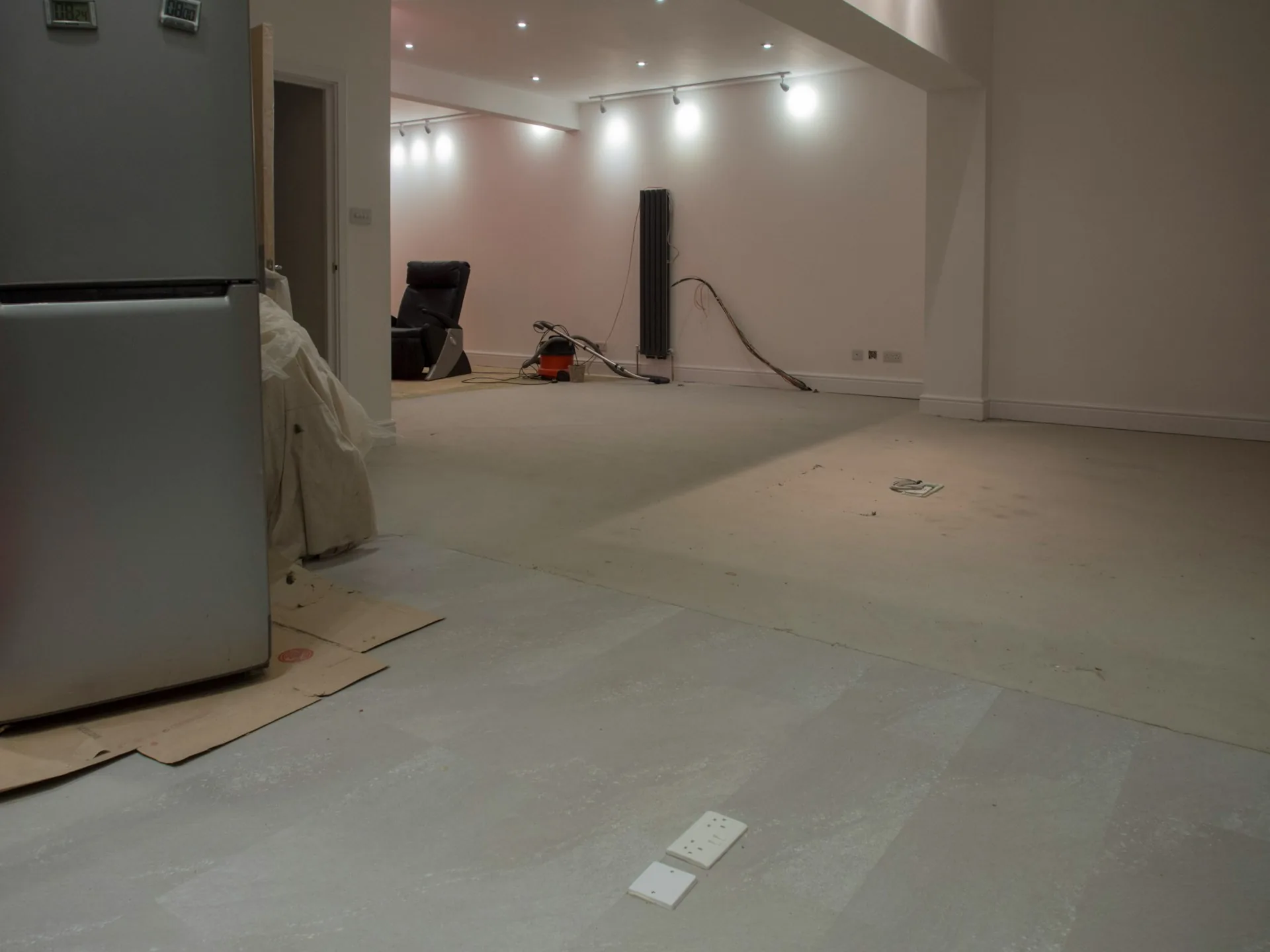
A flooring surface depends on the substrate beneath it. Preparation requirements should be identified before installation and included in the scope.
Understand the existing floor
Identify the substrate and existing covering, loose areas, cracks, adhesive residue and height changes. Do not disturb unknown old materials without appropriate assessment for possible hazardous content.
Separate flatness from level
A substrate may be sloped yet flat enough for a product—or appear level but have humps and hollows. The selected flooring’s tolerance determines the preparation needed.
Treat moisture as a decision point
Moisture testing and manufacturer limits help determine suitability. Active leaks, intrusion, mold and structural problems require appropriate specialist assessment, not concealment under a new surface.
Write down allowances and discoveries
Specify known preparation and how unforeseen conditions will be documented, priced and approved. Clarify whether patching, smoothing, removal or subfloor repair is included; major repairs require separate confirmation.
A question worth asking
Does preparation include moisture remediation?
No. Moisture intrusion and remediation are outside the standard flooring scope described here. For specialty coating or sealing discussions, contact Coat & Seal; confirm suitability and contracting details directly.
Before you approve the scope
Confirm product selection, measured quantities, procurement, removal, disposal, furniture, preparation, installation, trim and transitions. Availability, pricing and scheduling are confirmed for your project, not promised by this page.
Compare other materials →
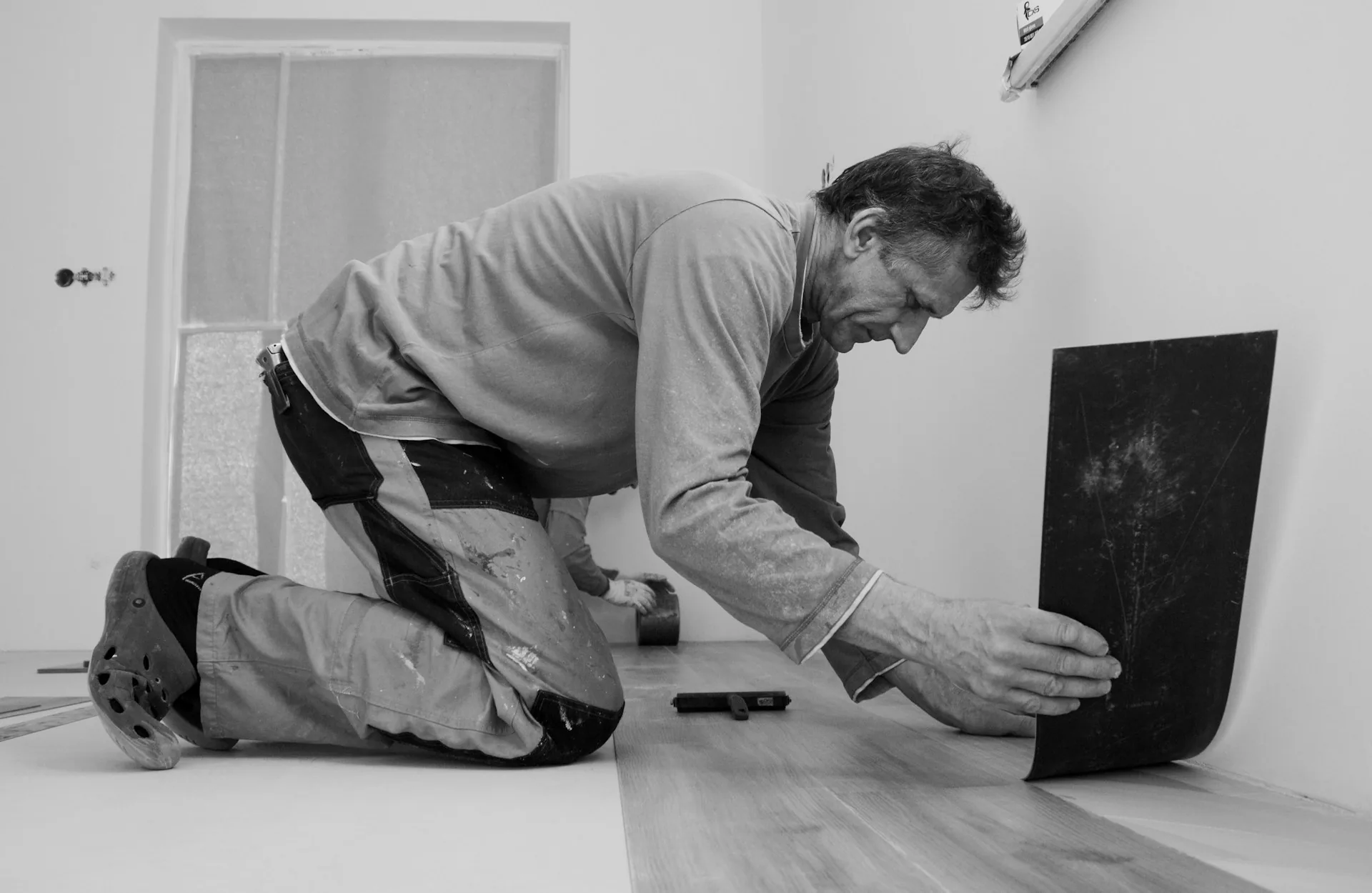
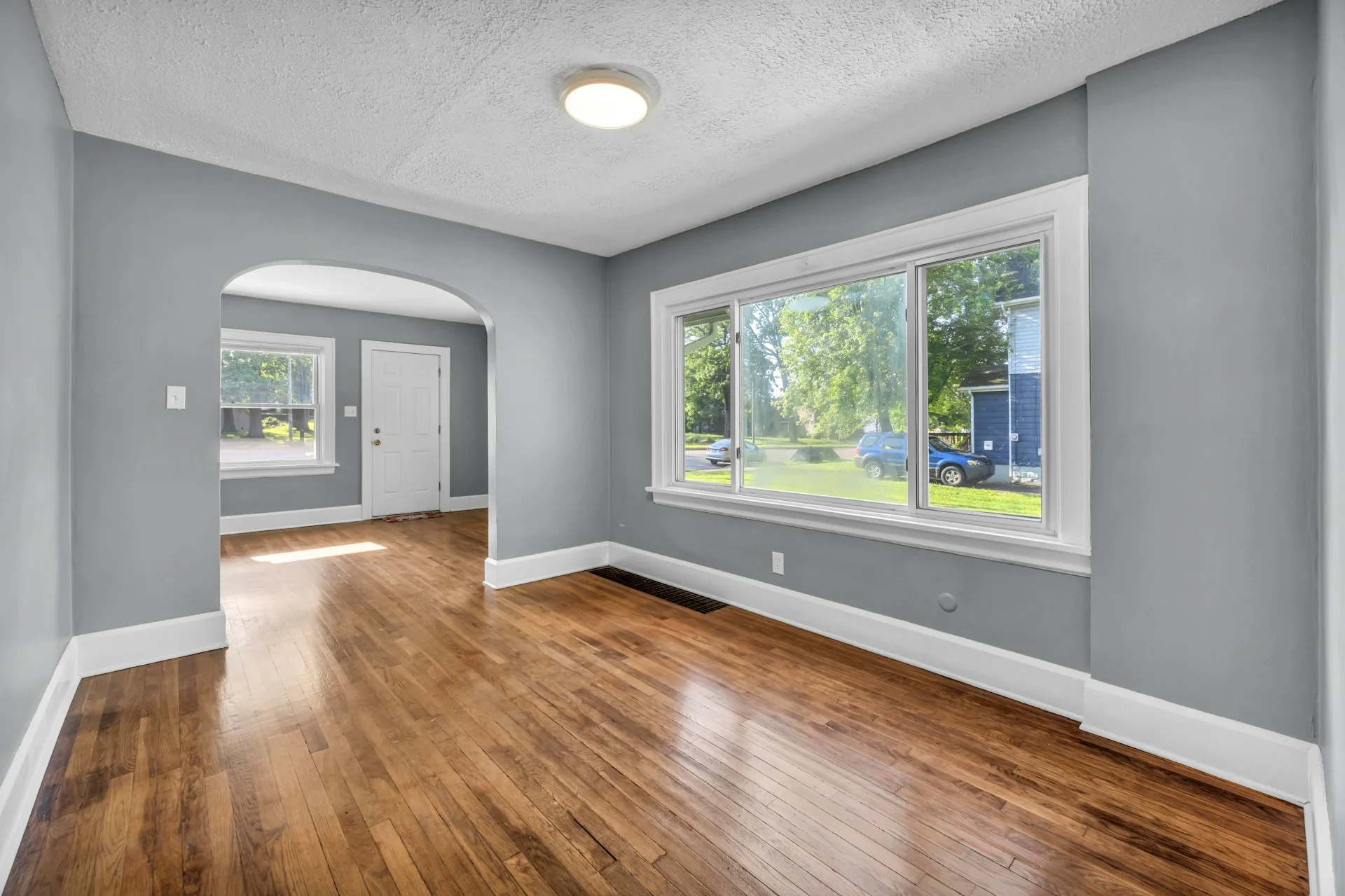
Design inspiration · stock photography, not completed StepRightFloors work.
Let’s find your footing.
Tell us about the space, the way you live and what you’d like to change. Start with a project brief, not a commitment.