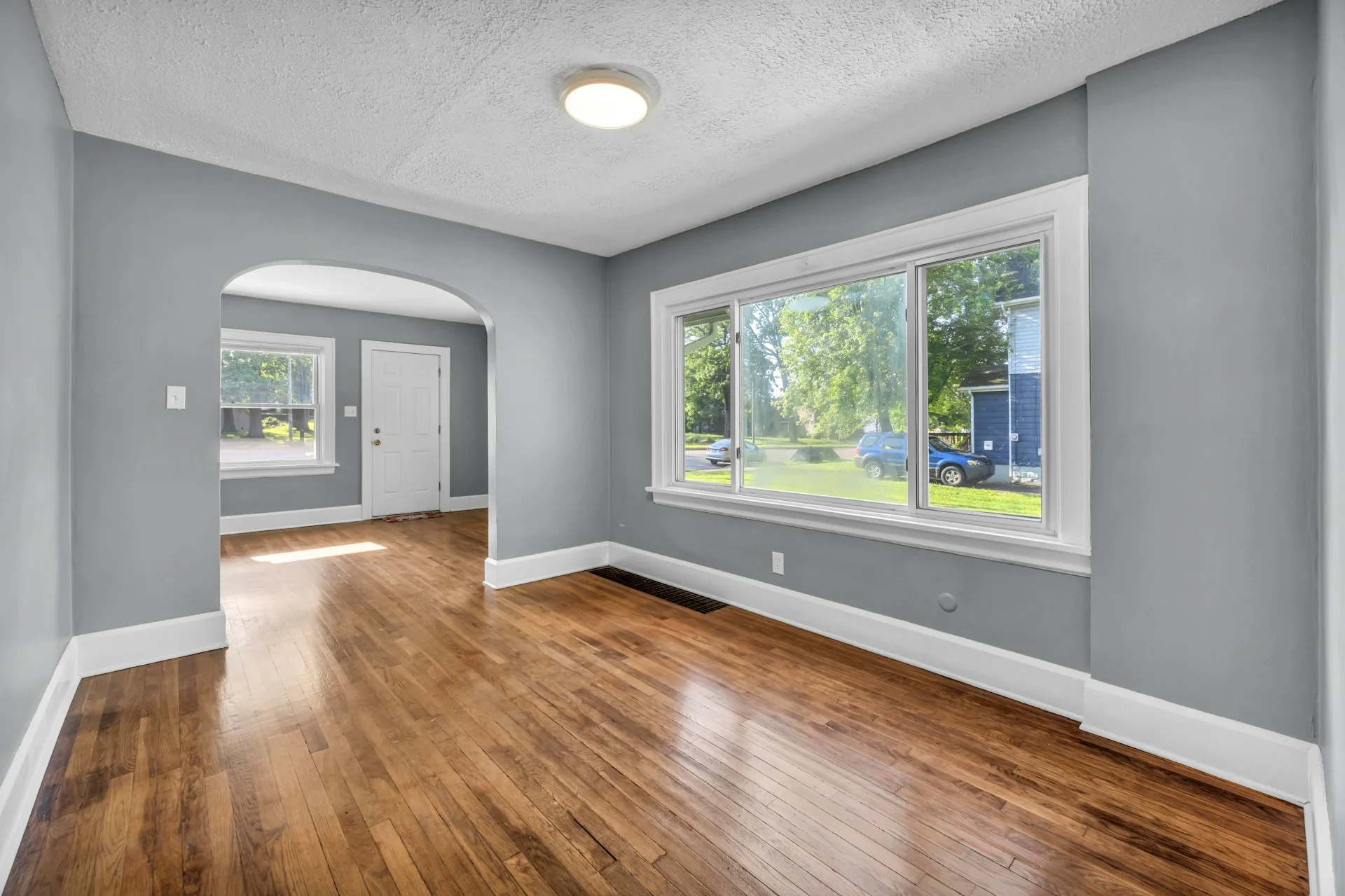
 Design inspiration · stock imagery
Natural warmth. Individual character.
Wood changes from board to board and responds to its environment. A good choice considers both the look you want and the conditions in your home.
Solid or engineered?
Solid wood and engineered wood have different constructions and installation options. Engineered products are often considered for concrete substrates, but suitability depends on the specific product, moisture readings and installation method.
Understand humidity first
Wood expands and contracts. Discuss conditioning, seasonal humidity, substrate testing and expansion space before choosing a product. Active moisture problems are outside a flooring installation solution.
Plan the complete look
Board width, grade, color variation, finish and direction influence the room. Review a range of real samples and clarify transitions to tile, doors and stairs.
Care and future refinishing
Sweep or vacuum with a suitable hard-floor attachment and use approved cleaners. Not every engineered floor can be sanded. Refinishing or repair availability must be confirmed separately; it is not included in a new installation by default.
A question worth asking
Is engineered hardwood the same as laminate?
No. Engineered hardwood has a real wood surface over a layered base. Laminate generally uses a decorative image layer. Their moisture limits, care and future refinishing possibilities differ.
Before you approve the scope
Confirm product selection, measured quantities, procurement, removal, disposal, furniture, preparation, installation, trim and transitions. Availability, pricing and scheduling are confirmed for your project, not promised by this page.
Compare other materials →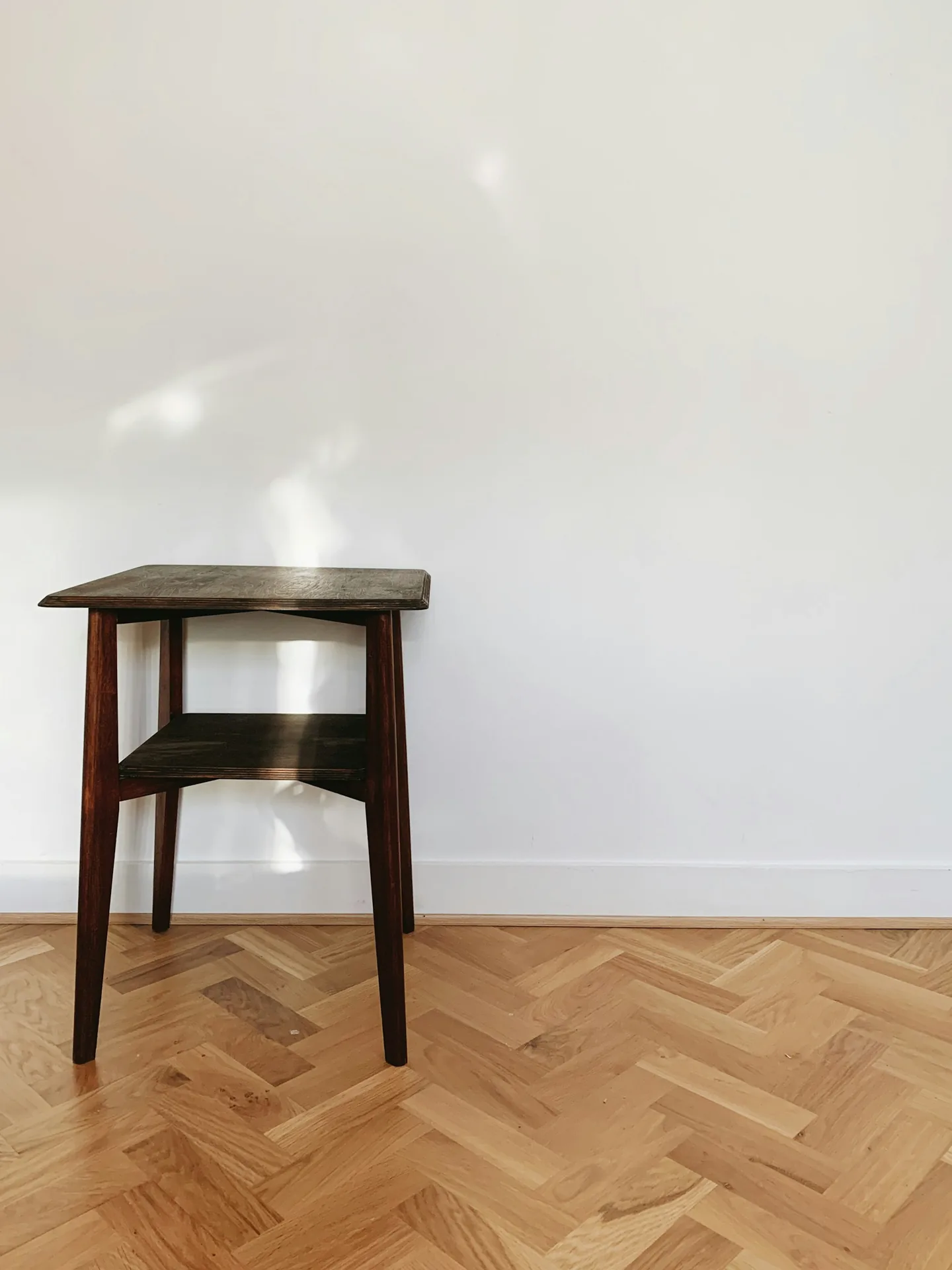
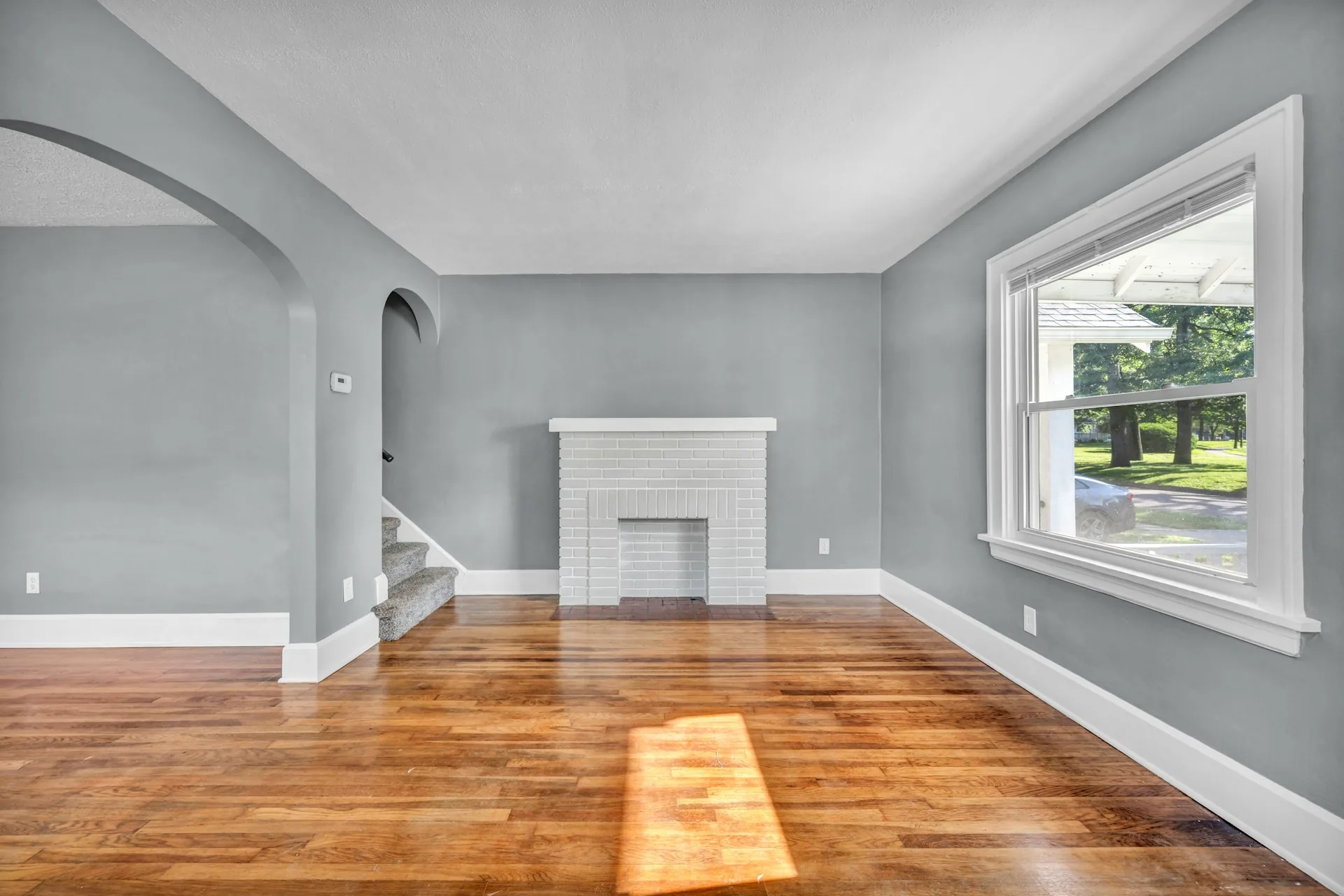
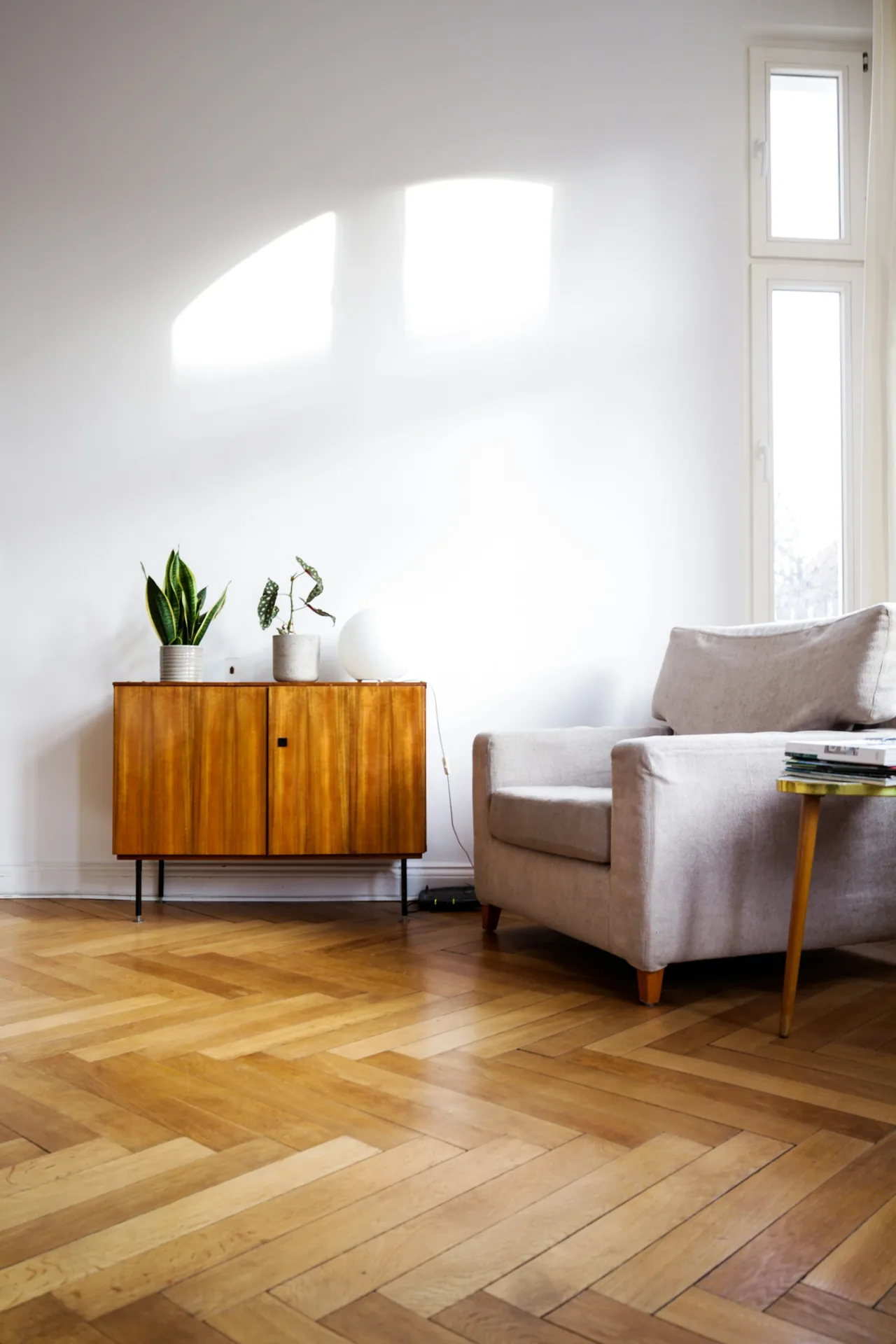
Design inspiration · stock photography, not completed StepRightFloors work.
Let’s find your footing.
Tell us about the space, the way you live and what you’d like to change. Start with a project brief, not a commitment.